Main pathway: G-actin sequestration Native T4 binds monomeric G-actin with a dissociation constant (KD) of approximately 1 M, controlling the pool of free actin available for polymerization into F-actin (actin filaments)
Sublingual Tablets or Drops: You place these under your tongue, allowing the B12 to be absorbed directly into the rich network of blood vessels there, completely bypassing the digestive system
Blog pages connect related guides, comparison articles, FDA approval status explainers, safety context, legality resources, product pages, vendor reviews, and calculator tools so visitors can keep researching without relying on a single supplier claim
Sources: Neelakantan et al., Biochem Pharmacol 2018 | Dimet-Wiley et al., Sci Rep 2024 Security Profile & Chemical Identity Molecular specifications and preclinical safety data 5-Amino-1MQ Chemical Identity A small molecule derived from quinolinium salts, developed at the University of Texas (2017) 5-Amino-1MQ Tolerance & Status Safety data from preclinical studies (DIO mouse model) Published Preclinical Data 3 key studies published in Biochemical Pharmacology and Scientific Reports 35% Reduction of white adipose tissue in 11 days (20 mg/kg, 3 times/day) Physical Effects (11 days) + 40 % Improvement of grip strength in aged mice (22-24 months) Strength & Performance (aged mice) microbiome The combination of 5-Amino-1MQ + caloric restriction establishes a distinct gut microbial profile Protocol & Results Important Notice Search Only Not intended for human consumption
How long does a cycle last
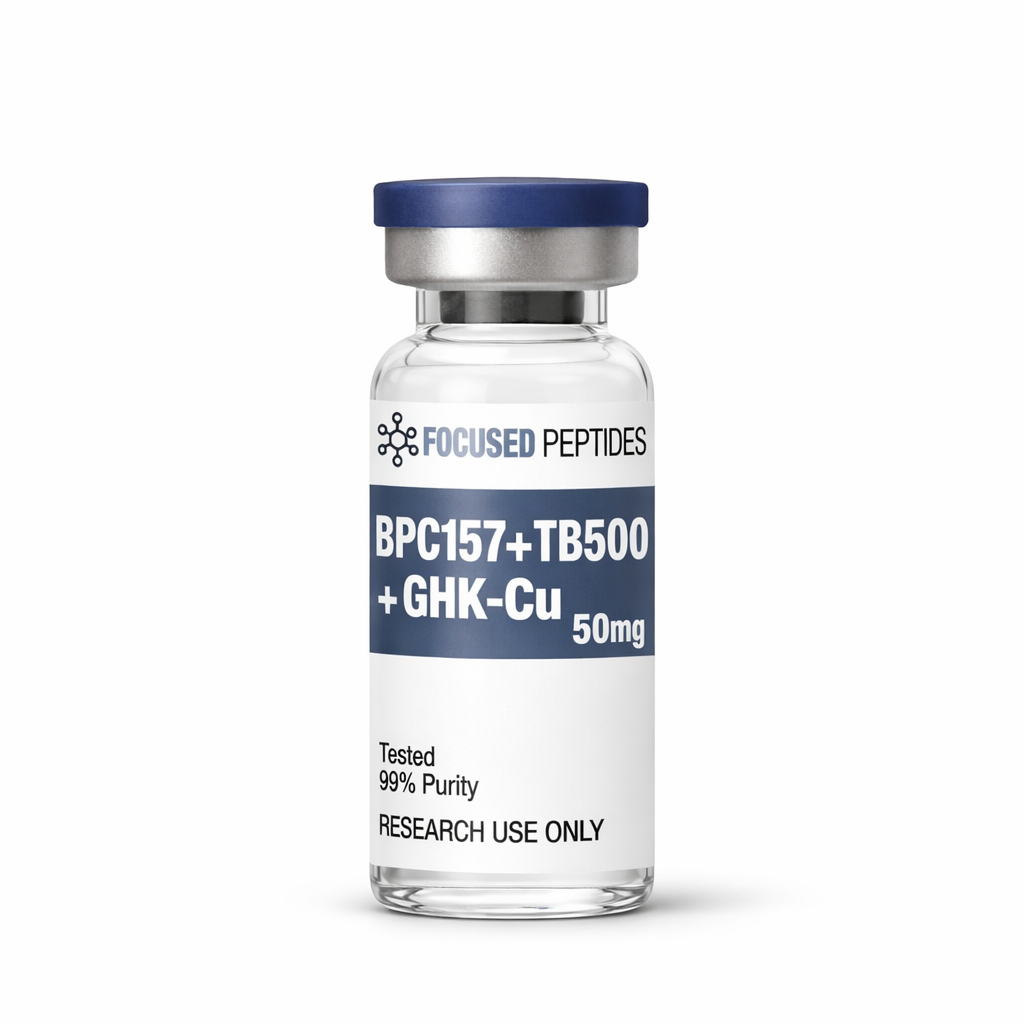
Intestinal Barrier Function Enhancement Component research revealed complementary barrier-protective mechanisms: BPC-157 maintains mucosal integrity under various injurious conditions KPV protects mucosal barrier function and reduces epithelial permeability TB-500 promotes epithelial cell migration for wound closure GHK-Cu supports collagen synthesis for structural integrity Musculoskeletal Tissue Research Comprehensive Tendon and Ligament Healing Research investigating individual components has demonstrated significant synergistic potential for connective tissue repair